ISSUED: 23 January 2024
MEDIA CONTACT: Cecelia Mason
SHEPHERDSTOWN, WV — The Robert C. Byrd Center for Congressional History and Education at Shepherd University will show the film “The Niagara Movement: The Early Battle for Civil Rights” on Thursday, February 8, at 7 p.m. in the Byrd auditorium before its release to public television stations. Dr. Ray Smock, one of the film’s contributors and author of a Booker T. Washington biography that was recently listed by the Wall Street Journal as one of the five best books of the Gilded Age, will lead a post-film discussion.
“The Niagara Movement: The Early Battle for Civil Rights,” a powerful hour-long documentary by WNED-TV in Buffalo, New York, delves deep into a national crusade that forged the civil rights landscape for the 20th century and beyond. The film explores the Black elite and intellectual society at the turn of the 20th century and examines the heated national debate and conflict three Black leaders—sociologist W.E.B. Du Bois, Boston newspaper publisher William Monroe Trotter, and educator and orator Booker T. Washington—had about how best to foster equality and opportunity for Black Americans.
The film, produced and directed by Emmy Award-winning and two-time Oscar-nominated filmmaker Lawrence R. Hott, spotlights the early battle behind the civil rights movement that sprang forth as a repudiation of Booker T. Washington’s methods, the most prominent Black leader in America at the time. The end of Reconstruction brought forth oppressive Jim Crow laws and widespread lynching. Washington pandered to white society with his conciliatory philosophy of racial segregation and industrial training for Black people instead of other advances.
Washington’s position was roundly criticized by Du Bois and Trotter, and soon a new civil rights organization emerged, the Niagara Movement.
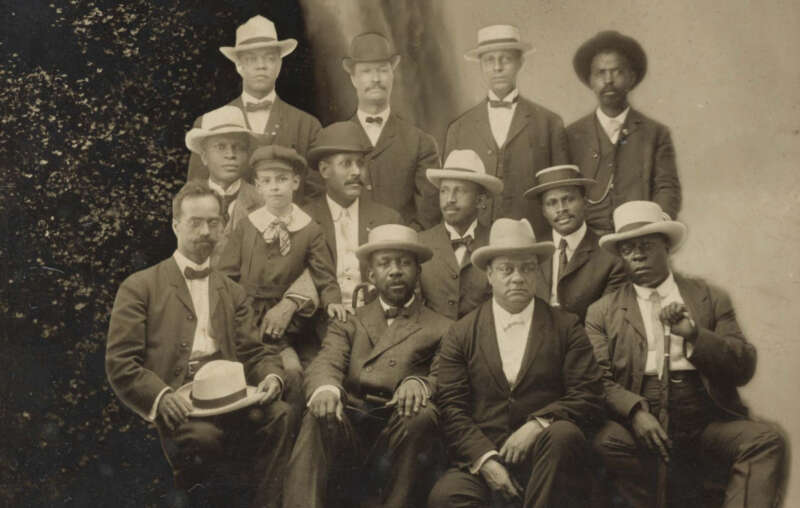
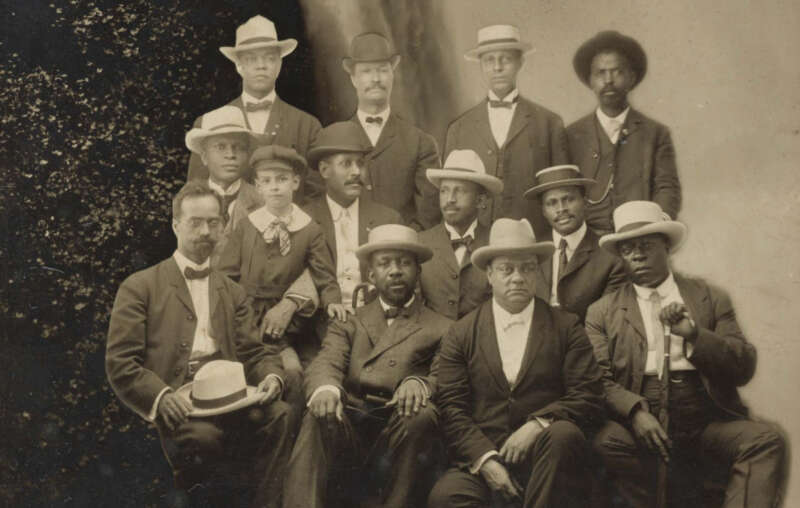 The group was formed when Du Bois and Trotter helped summon Black intellectuals, clergy, writers, newspapermen, and activists from across the country to Buffalo. The 29 men ultimately met across the Niagara River in Fort Erie, Canada, to evade disruption by Washington’s supporters. The organization’s key demand: full civil rights for Black Americans.
The Niagara Movement’s Declaration of Principles, a sharp rebuke to Washington, stated, in part, “We refuse to allow the impression to remain that the Negro-American assents to inferiority, is submissive under oppression, and apologetic before insults.”
The film captures the far-reaching impact of the short-lived Movement, which was disbanded only four years after its inception, but laid the cornerstone of the modern American Civil Rights Movement, eventually morphing into the NAACP.
“The influence of the Niagara Movement is evident in the protests and court challenges of the Civil Rights Movement as well as in past and current activism,” said Tom Calderone, President and CEO of Buffalo Toronto Public Media, which operates WNED-TV. “We are pleased to present this important film about such a prevailing influence on our society.”
“The Niagara Movement” will be distributed by American Public Television in February 2024 to public television stations across the country (check local listings) and will be available on the PBS app.
Major funding for “The Niagara Movement: The Early Battle for Civil Rights” was provided by The John R. Oishei Foundation, with additional funding from the Corporation for Public Broadcasting, Community Foundation of Tampa Bay Inc. in memory of Susan Howarth, and Visit Buffalo Niagara.
— 30 —